Water Filtration Systems
Shop All Survival & Emergency Water Filters
When assembling your camping bundle or 72-hour survival kit, water filters are a must-have necessity. They ensure you have a source of clean, drinkable water in any given situation, whether it's backcountry camping or an emergency. At Self Reliance Outfitters, we offer a range of high-quality filters and water bottles that make it easy to filter water wherever you may be.
Read More


Trail Filter Cook Set


Pathfinder 5L Millbank Bag


Pathfinder Millbank Bag
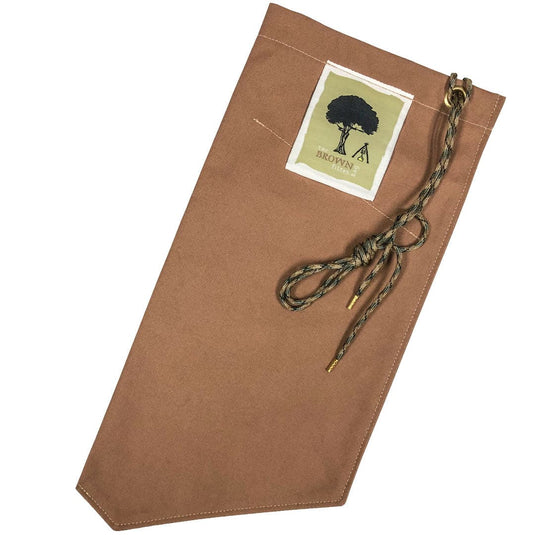
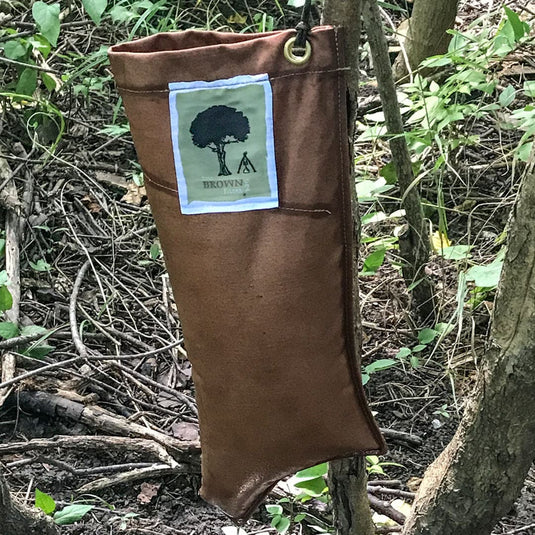

The Brown Bag Filter
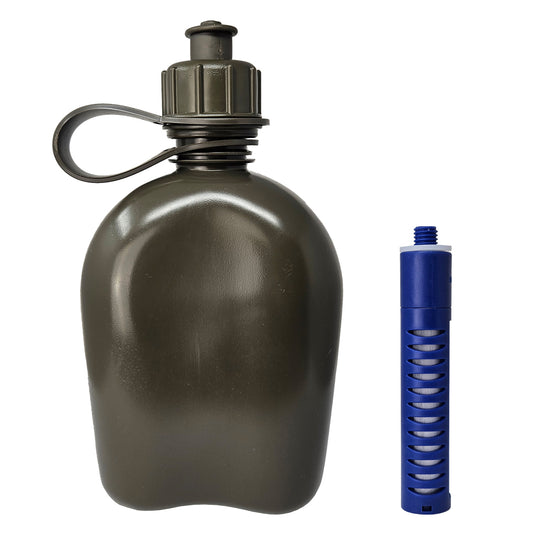


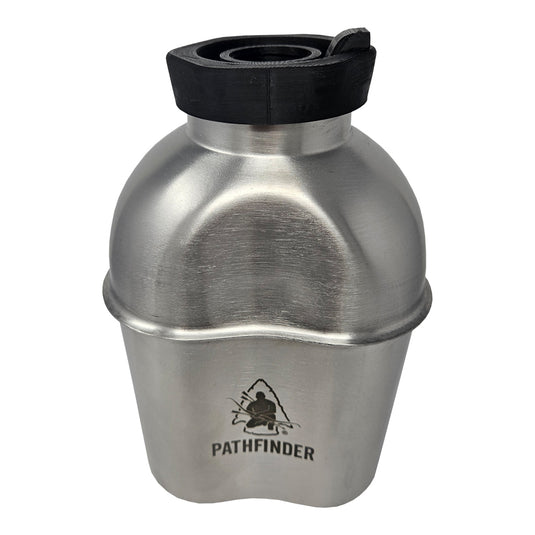
GI Canteen & M01 Water Filter Cartridge
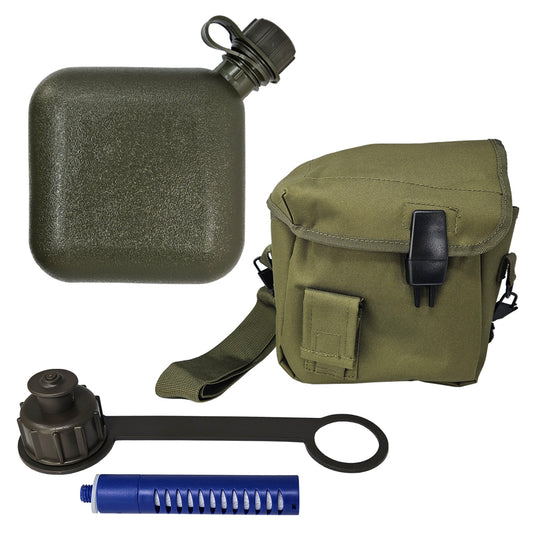


2QT Filter System
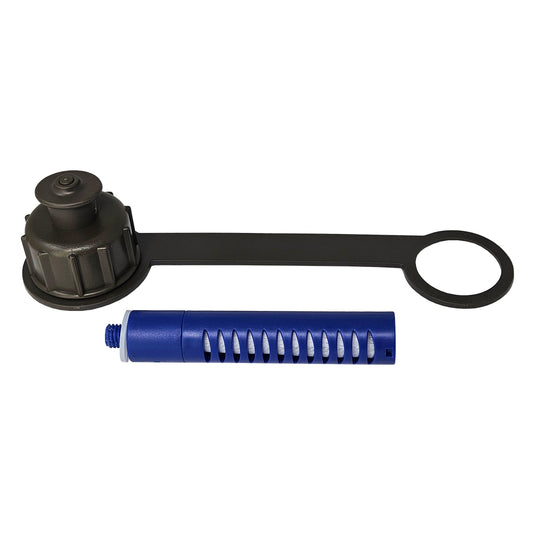


M01 Water Filter Cartridge & Cap

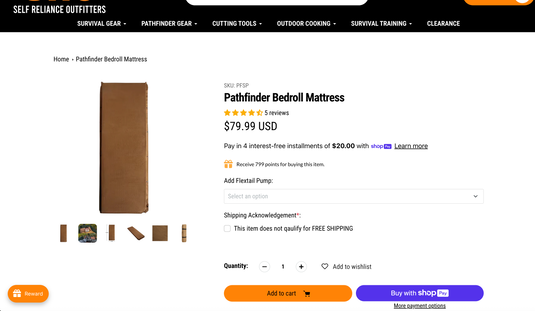

M01 Water Filter Replacement Cartridge
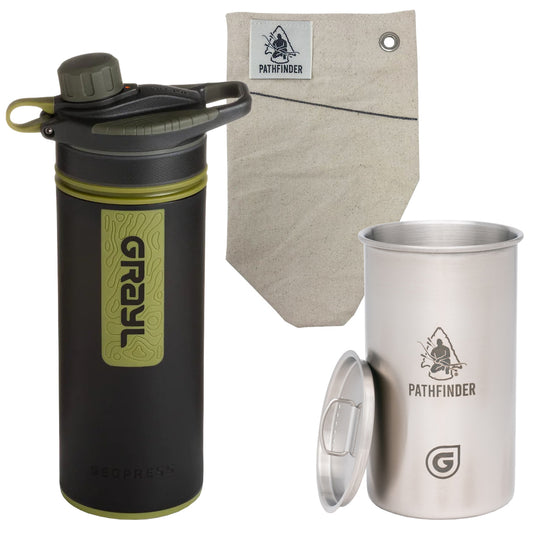
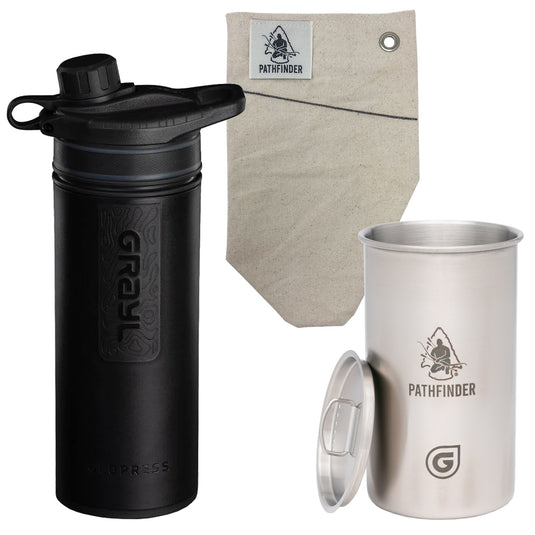

Grayl + Pathfinder Filtration Kit
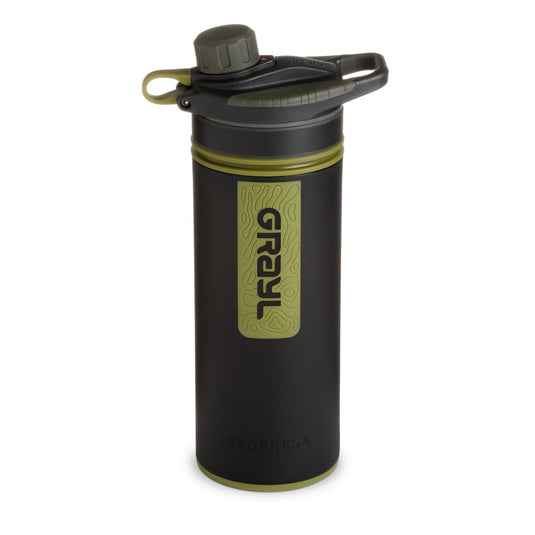
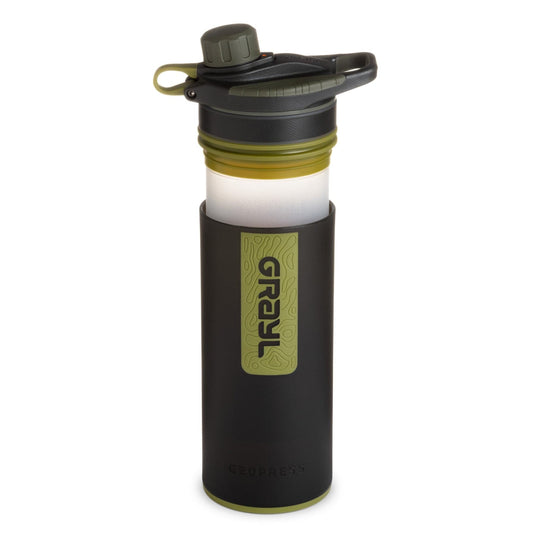

Geopress Purifier by Grayl
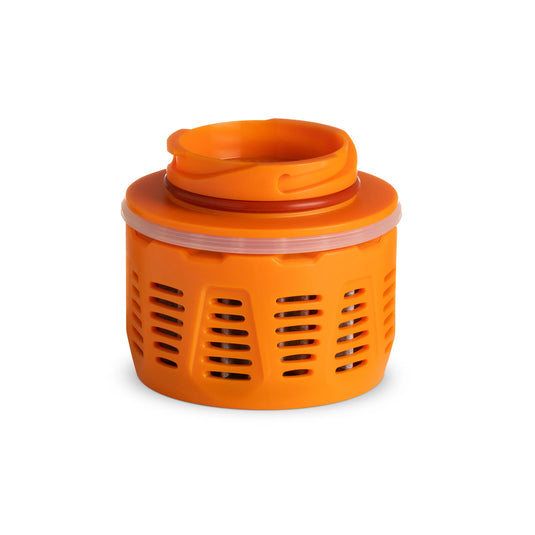
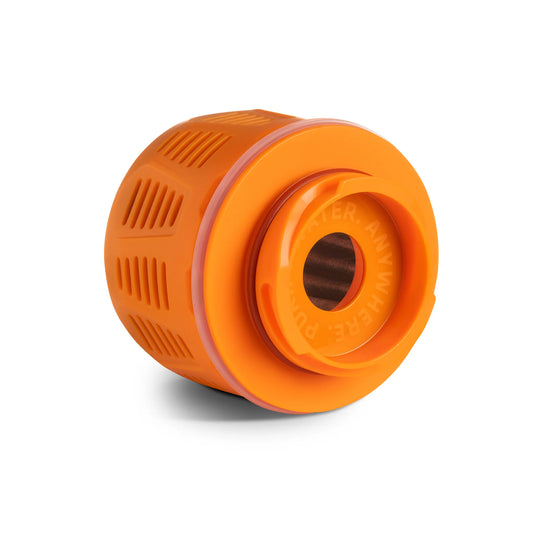

Geopress REPLACEMENT Cartridge by Grayl
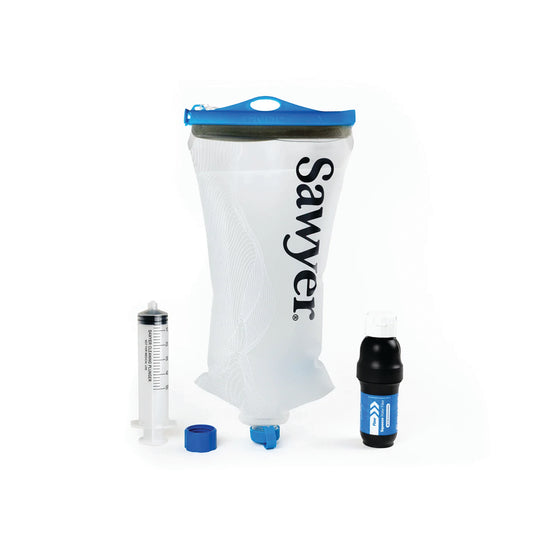
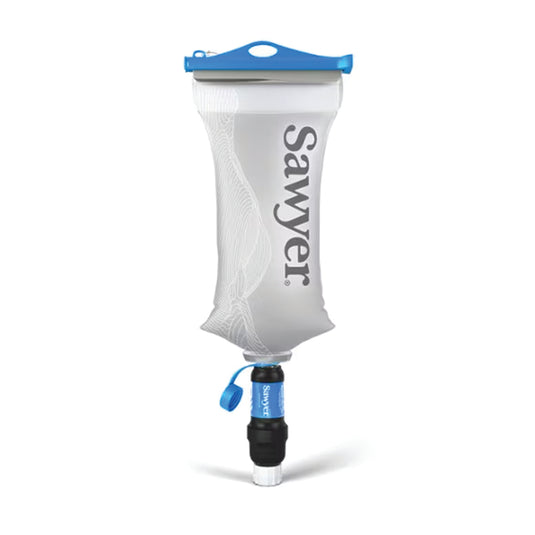

SP303 - Squeeze Water Filtration System, CNOC Premium 2 Liter Bladder
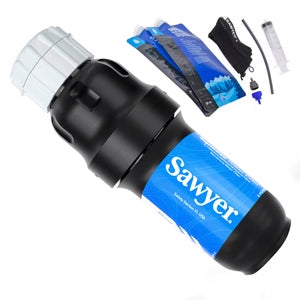
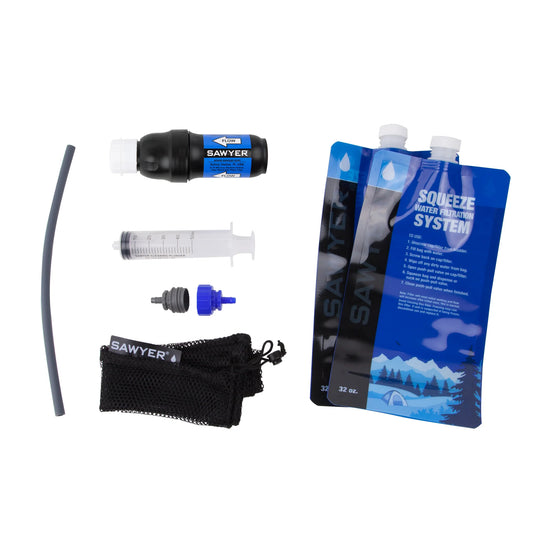

Sawyer Squeeze Water Filtration System
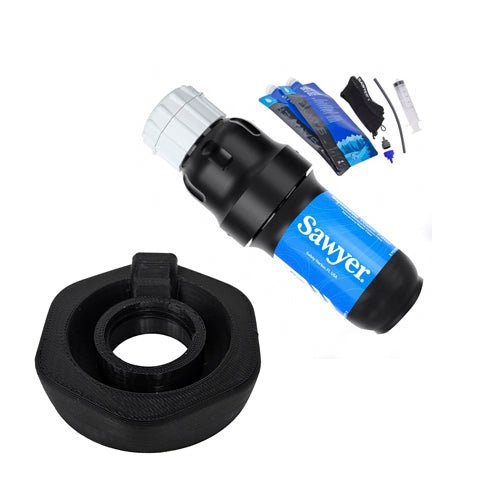

Sawyer Squeeze & Hydradapter Combo
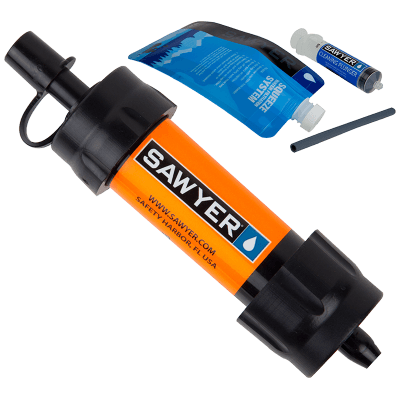

Sawyer Mini Water Filtration System
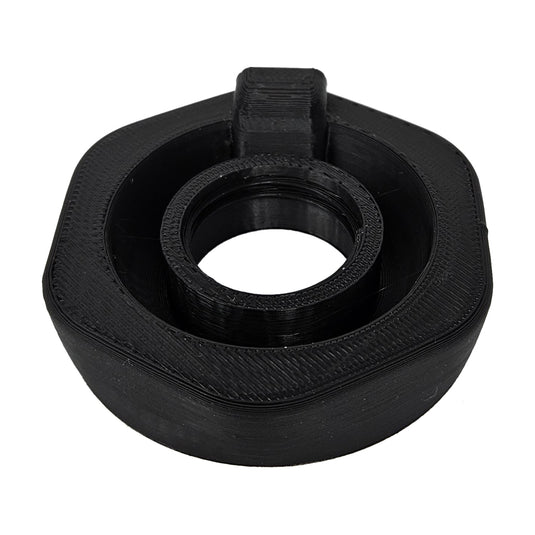

Hydradapter for the Sawyer Squeeze


24oz GeoPress Ti Purifier
Survival Water Filtration FAQs
Is there a difference between water purification & filtration?
Yes, there are several key differences between purification and filtering.
Filtration
Water filtering relies on physical or chemical treatments to remove contaminants from natural water sources, such as streams or rivers. It's a treatment process primarily used to remove fine particles of sediment or heavy metals, as well as some bacteria.
However, please note that filtering alone may not eliminate all harmful microorganisms from the water. You'll need to further treat the water to remove not only bacteria but also chemicals and viruses.
Purification
Water purification goes a step further than simple filtration by removing harmful bacteria, viruses, minerals, and chemicals from any nearby water source. The process often involves treatments like reverse osmosis, deionization, or distillation to remove these elements in full.
At Self Reliance Outfitters, we only offer filters that serve as a comprehensive water treatment method during outdoor excursions. Our .01 micron filters are capable of removing most sediment, protozoa, bacteria, and heavy metals from your water.
To ensure you get clean, pure drinking water without the comfort of a tap or bottle, the best process is to use both filtering and purification methods. Our experts recommend first filtering your water using a camping water filter, then boiling the filtered water. You can also filter the water and then use chemical treatments, such as chlorine dioxide, for extra peace of mind.
How long do survival water filters last?
Filters will often have varying lifespans due to differences in material, pore size, and water source. Here are the lifespans for our most popular filters:
- Our M01 Water Filter Cartridges: Around 500 liters (132 gallons) of water.
- Grayl Geopress Water Purifier: Around 350 cycles, or 250 liters/65 gallons of water.
- Sawyer Squeeze Water Filtration System: Rated for around 100,000 gallons, with proper maintenance and use.
Although the Grayl and SRO M01 water filters may require frequent replacement, each of the filters we provide is excellent at providing you with drinkable, clean water for use while you're out in the wilderness.
What types of water filters do you offer?
SRO offers three distinct types of water filters as a part of our vast selection of survival gear:
Squeeze Filter
Squeeze water filters work by first filling a bottle or bag with water, then attaching a filter element at a compatible point. You then squeeze the water in the bottle or bag so that it pushes through the hollow-fiber membrane inside the filter, removing worrisome contaminants.
Squeeze filters, such as the Sawyer water filtration system, are effective, easy to use, and highly durable. Even better, they're known to be fairly lightweight, making them an efficient addition to your outdoor survival pack.
Gravity Filter
Gravity water filters use height and the natural pressure produced by gravity to force water through a filter. They work by first filling a filtration bag with water from an outdoor source, shutting it closed, then tying it to a branch. The downward force of gravity will pull the water through the filtration element, yielding clean, ready-to-drink water that flows into a separate vessel.
These types of filters are ideal for filtering large quantities of water at once, but they may have a slower flow rate compared to other filters. Unfortunately, SRO doesn't carry any gravity filters in our collection of survival water filters.
However, we do have a few mill bank bags. These are similar to gravity filters but are used as a pre-filter, removing sediment, dirt, and heavy metals. You can then filter the remaining water using a different tool.
Pump Filter
Pump water filters use a hand-powered mechanism to force untreated fresh water through a filtering element. The pressure from the pump or press mechanism pushes water through the pores of the filter, removing bacteria, sediment, viruses, and other harmful materials.
These filters are fast and highly effective, especially when used in conjunction with a pre-filter. And that's exactly what you can get with our collection of Grayl water filtration bottles and kits. These are among the best lightweight survival water purifiers available, removing most bacteria, viruses, parasites, and metals from your water.
How do I know when I need to use replacement filters?
There are several common signs that indicate that you should replace your water filter after a long period of use:
- Even after backflushing, the filter's flow rate remains unusually slow.
- The filter's housing exhibits signs of wear and tear, including cracks or severe damage.
- Consistently poor water quality after it's been filtered, particularly bad taste/odor.
- Worst of all, if you experience an illness after drinking water supposedly treated by the filter.
These are good signs to follow, whether for your outdoor survival filter or an inline water filter in your home. Always ensure you have a backup method for treating water in case your primary treatment method fails.
A great and simple alternative is to use a mill bank bag to remove sediment, then boil the water in a camping pot to eliminate any microbes, parasites, and viruses.
How should I store a water filter when not in use?
Your top priority for long-term water storage is to prevent moisture build-up. Whether it is a hollow-fiber filter straw or a ceramic pump filter, moisture can cause mold and other forms of damage over time.
Ensure your filters are dry and store their components separately when possible. Also, ensure they are in a warm to room-temperature area, as freezing can damage hollow fiber filters in particular. Some recommend placing your filters in plastic bags.
What happens if my filter freezes?
Let's say in some extreme condition, you leave your water filter out in the cold. If it has been used, it may have been permanently damaged due to water trapped inside the filter turning into frost.
We recommend replacing your filter in this scenario, even if it appears intact. There could be damaging particles hiding beneath. Use a different filtration method that hasn't been affected by frost for the time being.
Should I filter clear, clean water?
Yes, even if you are dealing with clear, flowing water in the wilderness, you must filter it before drinking. Clear water can still contain animal waste, protozoa (parasites), bacteria, and dead pathogens.
While it may not be as obvious as murky or dirty water, it is vital that you filter any water you source from outdoors.
Can a survival water filter treat salt water?
No, portable water filters can't remove dissolved salts from ocean water. You would have to use different methods of treatment, particularly distillation via boiling or condensing the water, or reverse osmosis, which comes in large and expensive off-grid filter systems.
What are some key water filtration tips to remember?
Here are some important water filtering guidelines to follow:
- Use a mill bank bag or cloth to pre-filter cloudy water. This mostly removes large pieces of sediment, allowing your water filter to work more effectively.
- Avoid collecting water from streams or water sources that are downstream from human or animal activity. Instead, get water from upstream, avoiding any nearby signs of activity, particularly fast-moving streams and those located away from campsites.
- Do not trust clear water. There can still be various parasites and bacteria, even in fast-moving, clean-looking water sources.
- When using used filters, ensure you test their flow rate before your next trip. Slower-than-usual flow rates could indicate internal damage or filter buildup, which may necessitate a replacement.
- Remember your filter's pore sizes. Filters with a pore size of 0.1 to 0.2 microns remove bacteria and protozoa. To remove viruses, filter pore sizes need to be below 0.01 microns, or the filter may require UV light or chemical treatment.
- When in doubt, boil your water before drinking or using it for personal hygiene. It should always be brought to a rolling boil for at least 1 minute (at low altitudes) or for 3 minutes (at altitudes above 6,500 feet).

PCI compliant and a Verified Authorize.net Merchant

We accept Visa, Mastercard, Discover, AMEX, and PayPal

We are American Owned & Operated since 2010