Alone Survival Gear List: See Winning Survival Packs from Every Season!
Can you imagine being stranded in the middle of nowhere—by yourself, under extreme conditions—with nothing but a backpack? That’s exactly what the Alone television show contestants sign up for. Scary wildlife encounters, severe weather, grueling hunger, and distressing isolation are all guaranteed parts of the challenge.
But the truest survival test of all? Mental resilience to keep pushing forward.
At Self Reliance Outfitters, we understand that having the right equipment is crucial, whether you’re inspired by the reality show or gearing up for your own wilderness adventure. This comprehensive guide explores the gear choices of all 13 Alone winners, analyzes the common items selected by contestants, and discusses the required and prohibited items as per the show’s rules.
What Is Alone?

Millions tune in to watch this self-documented TV series every year, captivated by its raw, unfiltered portrayal of human survival. Alone contestants are essentially dropped into remote, unforgiving environments with only the gear they can carry (plus their own camera gear), and their goal is to be the last one standing. Winners receive anywhere from $500K to $1M in cash prizes, upping the stakes in an already intense survival competition.
Unlike other reality TV shows, Alone strips survival down to its most primal elements, leaving contestants truly isolated with only a limited selection of gear and their wits to rely on. Each participant must endure the harsh elements, scavenge for food, and fend off wildlife with only 10 items of their choice. They do this all while facing the psychological challenge of being completely alone for days, weeks, or even months.
The gear they select can mean the difference between life and death, offering valuable insights into what it takes to endure some of the harshest conditions on Earth. As many have learned, survival in the wild is a test of endurance, skill, and, most importantly, preparation.
From devoted fans of the show to those who’ve just discovered the reality TV series, this page is for you! You’ll get an in-depth look at what it takes to survive on Alone, the winning survival packs from each season, and expert recommendations on what to pack in your own survival kit.


Required Alone TV Show Gear List
Curious about what gear is allowed on Alone?
Throughout every season, contestants receive a set of standard gear that doesn’t count towards the 10 unique items they’re allowed to bring in their pack. This provision usually includes safety gear, clothing, personal items, and first-aid supplies—some tailored to the conditions they’ll be living in.
These essential items may include, but are not limited to:
- A toothbrush
- A personal photograph
- 2 pairs of thermal underwear
- 2 sports bras (for women)
- 1 pair of eyeglasses (if needed)
- 1 t-shirt
- 1 fleece or wool shirt
- 2 wool, fleece, or cotton sweaters
- 1 waterproof jacket or insulated parka-style jacket
- 1 pair of insulated winter pants
- 6 pairs of wool socks
- 1 pair of Gaiters
- 1 pair of high-leg hunting boots
- 3 pairs of gloves
Additional safety gear may also be provided, depending on the weather and location. For example, in season eight, contestants received bear spray and similar deterrents given the location’s known large grizzly bear population.
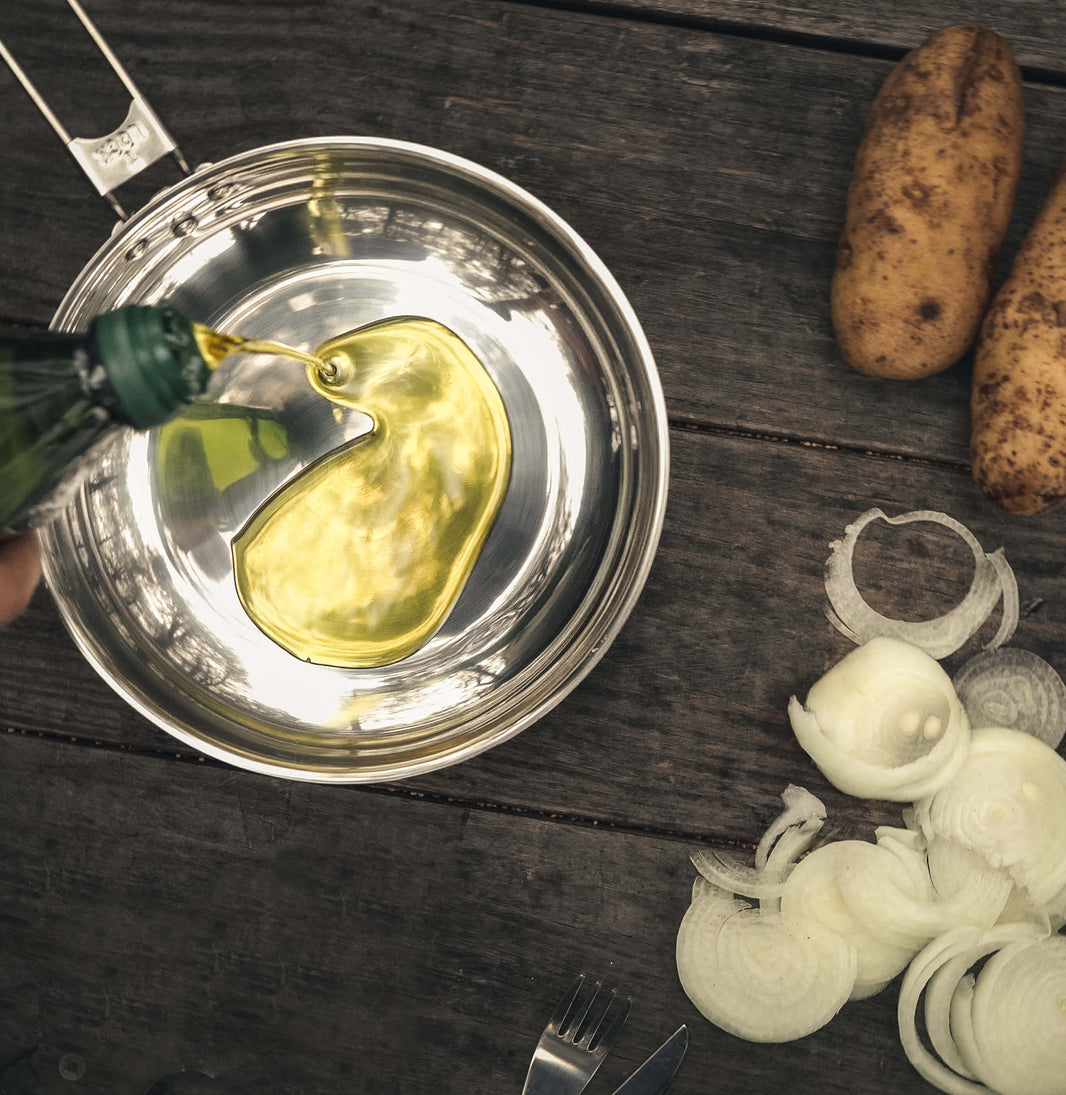
 Bush Pot
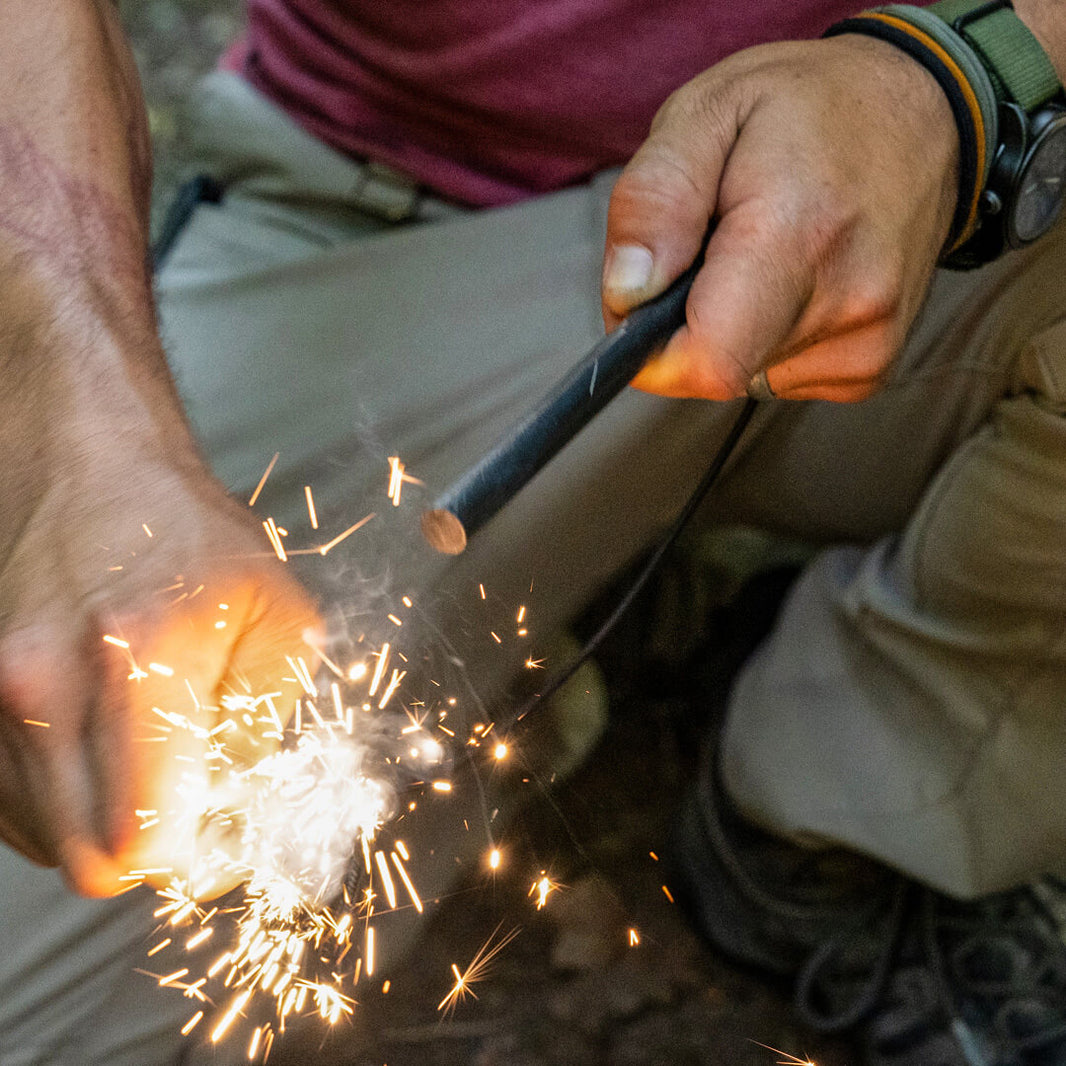
  Ferro Rod
  Pathfinder Knife
 As Seen on TV: Popular Alone Survival Items

Over the show’s 13 filmed seasons, certain items have consistently appeared on nearly every gear list due to their universal importance in survival situations.
The items listed below have become essential tools for Alone contestants facing—and ultimately enduring—a variety of harsh conditions:
- Bows and Arrows: When you need to move quietly and put food on the ground, a bow delivers. It’s one of the most reliable hunting tools you can carry when ammo isn’t an option.
- Fishing Kits: A compact fishing kit pulls serious weight in a survival scenario. It’s lightweight to carry, high-yield when you’re near water, and a steady source of protein when everything else comes up short.
- Sleeping Bags: Warmth isn’t a comfort item in the field. It’s a survival priority. A well-chosen sleeping bag keeps you rested, regulated, and ready for whatever tomorrow brings.
- Knives: Essential for tasks ranging from food preparation and tool crafting to shelter building, a knife is a survivalist’s best friend.
- Fire Starters: A quality ferro rod doesn’t care about rain, altitude, or cold. It sparks when you need it to. That kind of reliability is essential when you need to keep warm, prepare food, and purify water.
Prohibited Items
To keep the challenge as authentic as possible, certain items are strictly prohibited on Alone. These restrictions force contestants to rely solely on traditional survival skills and the gear in their packs:
- Firearms: Guns are off the table on Alone, which means contestants live or face elimination by their ability to hunt with primitive tools. A well-placed arrow or a carefully set trap becomes the difference between eating and going hungry.
- Advanced Technology: No GPS, no cell service, and no shortcuts. Navigation and decision-making come down to raw knowledge and field experience—exactly the kind of skills The Pathfinder School is built around teaching.
- Food Supplies: Pre-packaged meals, snacks, and most other food supplies are prohibited (with exceptions). Every meal has to be earned through hunting, fishing, or foraging, putting real survival skills to the test from day one.
- Unapproved Tools & Personal Items: Contestants are not allowed to pack lighters, matches, sunscreen, chapstick, beauty products, sunglasses, or even a compass to help them feel more comfortable surviving and navigating their wilderness environment. It’s truly a “survival of the fittest” competition.
Alone Gear List by Season | Explore Each Winner’s Survival Pack!
Now for the best part: the Alone winners’ gear list! From Season 1 through Season 12 (plus a bonus spinoff season), check out the 10 items that each winner chose to bring in their packs. Alongside their proven survival skills, this gear is ultimately what helped them outlast the competition and take home the coveted cash prize:
Alan Kay – Season 1

- Saw
- Axe
- Sleeping bag
- Large 2-quart pot
- Ferro rod
- Water bottle/canteen
- 300 yards single filament line with 25 assorted hooks
- Small gauge gill net
- 3.5lb wire
- Knife
David McIntyre – Season 2

- Stainless steel knife
- Ferro rod
- 2-quart pot
- 270 yards of 50 lb test fishing line, 30 yards of 100 lb test line, 25 circle hooks
- Straight-blade folding saw
- 2 lb axe
- 0° rated sleeping bag
- Bivy bag with US Army-issue Gore-Tex cover
- Gill net
- Emergency rations
Zachary Fowler – Season 3

- Shovel: Spetznas (Russian Special Forces) model w/ sharpened edge
- Sleeping Bag: -20°
- Ax: felling ax
- Pot: 2 quarts w/ handle
- Ferro Rod
- Slingshot: custom-made, 2 elastic bands, 30 pieces of ammo
- Fishing Line & Hooks: 25 hooks; 20 lb test & 50 lb test
- Paracord
- Saw: crosscut saw
- Multitool: pliers, guthook, screwdriver, blade, spoon gauge, file, scissors, sewing awl
Jim and Ted Baird – Season 4

- Saw – crosscut teeth
- Bow and arrows – recurve bow, 50+ lb. draw
- Gillnet
- Tarp – 12′ x 12′
- Trapping wire
- Fishing line and hooks
- Pot – titanium
- Multitool
- Rations
- Axe – painted orange
Sam Larson – Season 5

- Saw
- Axe
- Pot
- Ferro rod
- Multitool
- Food Ration
- Food ration
- Sleeping bag
- Paracord
- Trapping wire
Jordan Jonas – Season 6

- Paracord
- Saw
- Axe
- Sleeping bag
- Frying pan
- Ferro rod
- Fishing line and hooks
- Bow and arrows
- Trapping wire
- Multitool
Roland Welker – Season 7

- Ferro rod
- Gill net
- Pot
- Trapping wire
- Axe
- Saw
- Multitool
- Belt knife
- Bow and arrows
- Sleeping bag
Clay Hayes – Season 8

- Sleeping bag
- Pot
- Axe
- Saw
- Multitool
- Bow and arrows
- Paracord
- Fishing line and hooks
- Snare wire
- Ferro rods
Juan Pablo Quiñonez – Season 9

- Ferro rod
- Paracord
- 2-quart pot
- Axe
- Fishing line and hooks
- Saw
- Bow and arrows
- Sleeping bag
- Trapping wire
- Multitool
Alan Tenta – Season 10

- Ax
- Saw
- Ferro Rod
- Fishing Line and Hooks
- Bow and Arrows
- Sleeping Bag
- Cooking Pot
- Paracord
- Snare Wire
- Multitool
William Larkham Jr. – Season 11

- Sleeping Bag
- Axe
- Saw
- Knife
- 2-Quart Pot
- Ferro Rod
- Snare Wire
- Fishing Line and Hooks
- Paracord
- Fishing Net
Nathan Olsen – Season 12

- Cook pot
- Canteen
- Leatherman
- Knife
- Bow and Arrows
- Fishing Gear
- Blanket
- Salt
- Soap
- Ferro rod
Woniya Thibeault – Alone: Frozen

- Axe – Camp Axe
- Bow & Arrows
- Ferro Rod – 1/2″ x 6″
- Fishing Kit
- Multitool – Leatherman Surge, Modified
- Pot – 6 Quart
- Rations – 2 pounds Pemmican
- Saw – Silky Katanaboy 500 Folding Saw, Modified (sharpened spine)
- Sleeping Bag
- Snare Wire
Braving the Wild Starts With the Right Gear
Season after season, the best survival gear for Alone contestants tells the same story: those who last the longest keep it simple, stay sharp, and know exactly how to use what they’re carrying in their packs.
At Self Reliance Outfitters, that mentality is exactly what we’re built around. You’ll find quality gear, real-world training, and everything you need to head into the wilderness prepared.
Ready to start building your very own Alone-inspired survival kit?
Shop All Survival GearFrequently Asked Questions | Alone TV Show Equipment
What are the 10 items allowed on Alone?
The challenge of Alone is intensified by the strict limitations on what contestants can bring. Each participant must carefully select 10 items from a pre-approved list, balancing necessity with versatility. Here’s a breakdown of the gear typically allowed on the show by category:
Shelter / Hygiene
- Ground cover cloth or tarp (12×12 max)
- 8-mm climbing rope (10 meters max)
- 550 Paracord (80 meters max)
- 1 sleeping bag
- 3-mm cotton cord (40 meters max; must be non-waxed)
- 1 sleeping pad
- 1 bivvy bag
- 1 small bar of soap
- 1 hammock
- 1 tube of toothpaste or tooth powder (8 oz)
- 1 shaving razor
- 1 face flannel
- Dental floss (40 mm)
- 1 towel
- 1 comb
Cooking & Food
- 1 roll of single-filament fish line with a weight test of up to 20 lbs (300 yards) and 35 barbless hooks
- 1 primitive recurve bow (or longbow) and 9 arrows
- 1 small gill net
- 1 net foraging bag
- 2 lbs of trapping wire
- 1 slingshot, 30 ball bearings, and 1 replacement band
- Various Emergency Rations (type and amount vary each season)
- 3 lbs of one solid salt block
- 1 large pot
- 1 steel frying pan (no more than 2 quarts)
- 1 Flint or Ferro rod (or equivalent)
- 1 enamel bowl for eating
- 1 spoon
Tools / Weapons / Other
- 1 pocket knife (four-inch blade max)
- 1 hunting knife (six-inch blade max)
- 1 survival multi-tool (or similar)
- 1 sharpening stone
- 1 roll of duct tape
- 1 small shovel
- 1 small sewing kit
- 1 carabiner
- 1 LED flashlight or headlamp (no batteries)
What gear do Alone contestants get provided?
In addition to being provided standard safety equipment, personal items, basic clothing, and necessary medical supplies by the show, Alone contestants then get to choose their top 10 survival items from a pre-approved list. This gear goes into their pack and, paired with their unique survival skills, is all participants have to help them last as long as possible in extreme wilderness conditions.
What is the most common survival item chosen on Alone?
The ferro rod is the single most selected item across all seasons of Alone, chosen by nearly every contestant regardless of location or strategy. It’s not hard to see why. Fire is the foundation of survival: It purifies water, cooks food, provides warmth, and does more for morale than just about anything else in the wilderness. After the ferro rod, the sleeping bag, axe, and cooking pot round out what fans often call the “Big Four,” or the core items that appear on virtually every winner’s gear list.
What survival skills matter most on Alone?
Gear only takes you so far. The contestants who last the longest on Alone tend to excel in four core areas: fire-making, shelter building, food procurement, and mental resilience. Fire-making is the most immediately critical because without it, everything else gets harder fast.
Shelter determines whether you can maintain body heat through the night, especially in the Arctic and sub-Arctic locations where the show typically takes place. Food procurement, whether through fishing, trapping, or hunting, becomes the long game that separates the early exits from the multi-week and month survivors. And mental resilience is what holds it all together. Many contestants tap out not because they lack gear or bushcraft skills, but because the isolation becomes too much to bear.
What would a beginner survival kit look like, inspired by Alone?
The winners of Seasons 1–12 have spoken (plus our own expert survivalists at Self Reliance Outfitters). Here’s what a solid beginner kit looks like, built around the gear that shows up on nearly every winning list:
- Ferro Rod: Reliable fire starting in any weather
- Survival Knife: Food prep, camp tasks, tool making
- Bush Pot: Boiling water, cooking meals
- Survival Tarp: Fast, packable shelter
- Sleeping Bag: Warmth and quality sleep are essential to survival
- Paracord: Lashing, trapping, gear repair, shelter building, and more
- Fishing Line & Hooks: Easy protein when you need it most
- Water Purification: Against the rules on Alone, but essential for beginners
- Multitool: Compact, portable, and endlessly versatile
- Navigation Tools: A map, compass, and GPS device is crucial for beginners
- Emergency Food Rations: Fuels your body when fresh food is limited
Whether you’re an avid outdoorsperson or preparing for an emergency situation, having the right survival gear is extremely important. Each piece of equipment has specific uses that can help you navigate challenges, stay safe, and increase your chances of survival.